Cosmetics OEM Manufacturer China: The Ultimate Buyer's Guide for Global Brands
Finding the right cosmetics oem manufacturer china is a critical decision for any brand owner or procurement manager. China has become the world's largest producer of cosmetics, offering a vast ecosystem of manufacturers with competitive pricing, advanced R&D, and scalable production. However, navigating this landscape requires careful due diligence. This guide provides actionable insights to help you select a reliable partner, avoid common pitfalls, and launch successful products.
Why China Dominates Cosmetics OEM Manufacturing
China's cosmetics manufacturing industry has evolved from low-cost contract filling to full-service OEM/ODM solutions. Key advantages include:
- Cost efficiency: Lower labor and raw material costs compared to Western manufacturers.
- Supply chain maturity: Access to packaging, ingredients, and components all in one region.
- R&D capabilities: Many manufacturers invest heavily in formulation innovation, especially for skincare and color cosmetics.
- Export experience: Leading factories are well-versed in international regulations (FDA, EU CPNP, ASEAN).
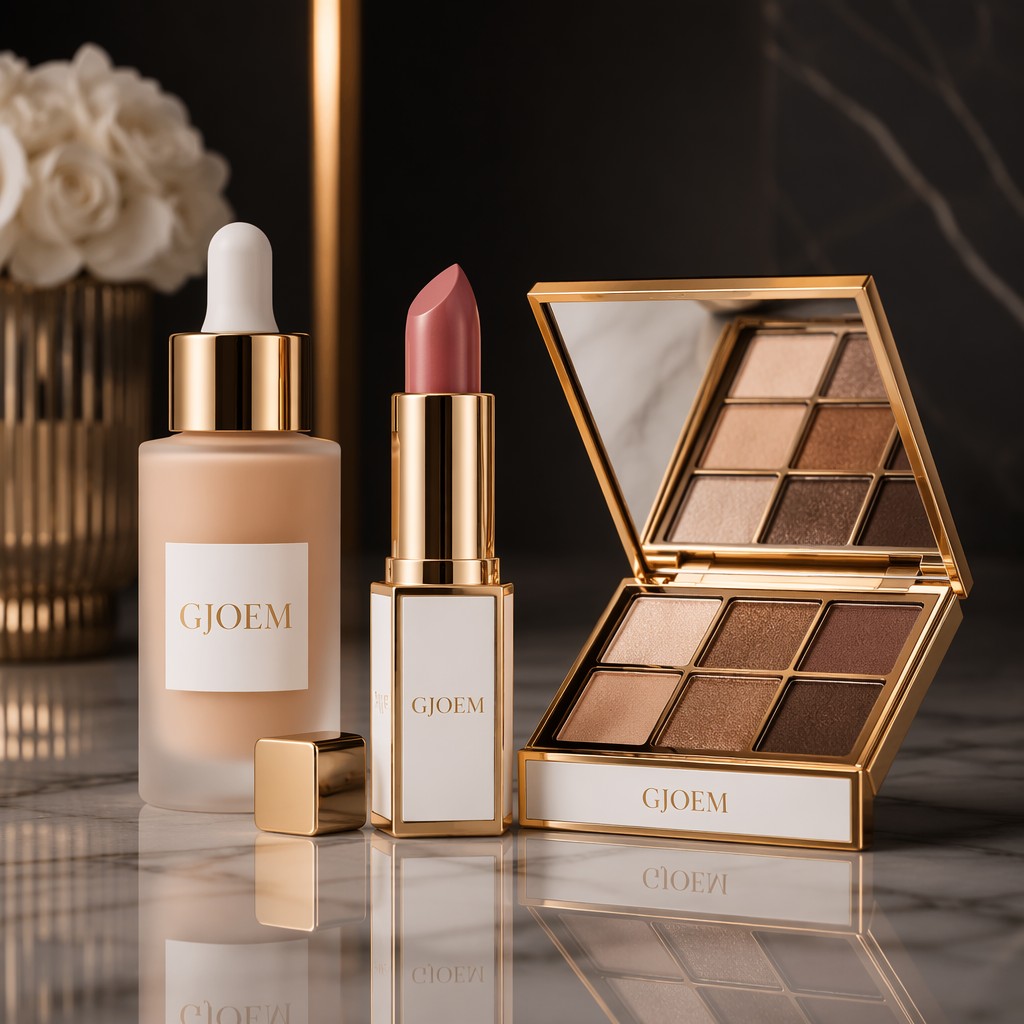
Companies like gjoem, based in China, exemplify this model—offering private label services for perfume, skincare, makeup, and personal care products to global brands.
Key Factors When Evaluating a Cosmetics OEM Manufacturer China
1. Certifications and Compliance
Certifications are non-negotiable. At minimum, your manufacturer should have:
- ISO 22716: Good Manufacturing Practices (GMP) for cosmetics.
- GMPc: Often required for FDA registration.
- FDA registration: For products sold in the US.
- EU CPNP: For European market entry.
- Other relevant certifications: ISO 9001, ISO 14001, and cruelty-free or vegan certifications if applicable.
Always request copies of certificates and verify their validity. A reputable cosmetics oem manufacturer china will readily provide these documents.
2. Minimum Order Quantity (MOQ)
MOQs vary widely based on product type and packaging. Typical ranges:
| Product Category | Typical MOQ (units) |
|---|---|
| Skincare (creams, serums) | 1,000 – 5,000 |
| Color cosmetics (lipstick, eyeshadow) | 3,000 – 10,000 |
| Perfume | 5,000 – 10,000 |
| Personal care (shampoo, lotion) | 2,000 – 5,000 |
Some manufacturers offer lower MOQs for stock formulas, while custom formulations require higher volumes. Discuss MOQ flexibility early, especially if you're a startup.
3. Lead Times and Production Capacity
Standard lead times for OEM production are 30–60 days after sample approval and deposit. Factors affecting lead time:
- Complexity of formulation
- Packaging sourcing (custom molds can add 15–30 days)
- Order volume
- Seasonal demand (e.g., pre-holiday rush)
Always ask for a detailed production schedule and build in buffer time for shipping.
4. Pricing Factors
Pricing is influenced by:
- Formula cost: Active ingredients, fragrances, and specialty components.
- Packaging: Stock vs. custom, material (glass, plastic, airless).
- Order quantity: Economies of scale reduce unit cost.
- Testing and certification: Stability, microbiological, and safety testing.
- Payment terms: Typically 30% deposit, 70% before shipment.
Request a detailed quotation that breaks down these costs to avoid hidden fees.
5. Communication and Project Management
Language barriers and time zones can hinder collaboration. Ensure your manufacturer has English-speaking project managers and responds promptly. A dedicated account manager is a good sign of professional service.
How to Choose the Right Cosmetics OEM Manufacturer China
Follow this step-by-step approach:
- Define your product brief: Specify category, target market, formula preferences, packaging, and budget.
- Shortlist suppliers: Use industry directories, trade shows (e.g., Cosmoprof), or referrals. Check their Home page and Knowledge Center for expertise.
- Request samples: Evaluate quality, texture, and scent. Ask for stock samples first.
- Conduct audits: Schedule a video or on-site audit to inspect facilities and hygiene standards.
- Negotiate terms: Clarify MOQ, lead time, payment, and exclusivity.
- Place a trial order: Start small to test production and logistics before scaling.
For personalized assistance, feel free to Contact Us at gjoem—we guide you through every step.
Common Mistakes to Avoid
- Choosing on price alone: Ultra-low quotes often signal compromised quality or hidden costs.
- Ignoring certifications: Without ISO 22716 or GMP, your products may be rejected at customs.
- Underestimating MOQs: Overordering can tie up capital; underordering may not be feasible.
- Skipping sampling: Always approve a pre-production sample before mass production.
- Poor communication: Vague specifications lead to costly errors.
- Not having a contract: A detailed agreement protects both parties.
Questions to Ask Suppliers
Before signing, ask these questions:
- What certifications do you hold? Can you provide copies?
- What is your MOQ for my specific product?
- What is your typical lead time?
- Do you offer custom formulation? What is the cost?
- Can you source packaging, or do I need to provide it?
- What testing do you perform (stability, microbiological, challenge)?
- What are your payment terms?
- Do you have experience exporting to my country?
- Can you provide references from other clients?
- What is your policy on defective products?
Conclusion
Selecting a cosmetics oem manufacturer china is a strategic decision that impacts your brand's quality, cost, and time-to-market. By focusing on certifications, MOQs, lead times, and communication, you can find a partner that aligns with your goals. Avoid common mistakes by conducting thorough due diligence and asking the right questions. With the right manufacturer—such as gjoem—you can bring high-quality, compliant products to market efficiently. Start your search today by exploring our Knowledge Center or reaching out via Contact Us.
Ready to Start Your gjoem Project?
Get a free quote within 24 hours. Low MOQ, global shipping, ISO 22716 certified.
Get Free Quote